Mahjong solitaire becomes much easier once you stop treating every visible pair as equally useful. Before making a move, ask one question: can each tile slide away without another tile blocking it?
What “open” actually means
A playable tile needs a clear side. A tile buried under another tile or squeezed between two neighbors is not available, even when its picture is easy to see. Start by looking at the outer edges and the highest layer.
The best early matches usually remove tiles that uncover more than one option. Matching two isolated edge tiles may be legal, but it rarely changes the board.
Make one scan before matching
Take five seconds to find repeated symbols near the top, along the far left, and along the far right. If you see three matching tiles, pause. Matching the wrong pair can leave the third tile trapped later.
Our preferred pattern is:
- Check the top layer.
- Check both open edges.
- Notice any symbol that appears three or four times.
- Choose the pair that uncovers the most new tiles.
Save flexible tiles for later
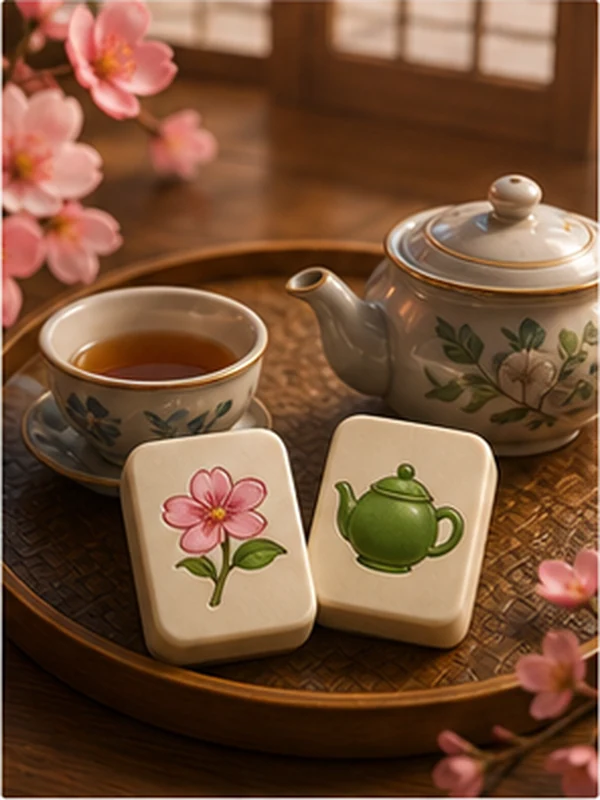
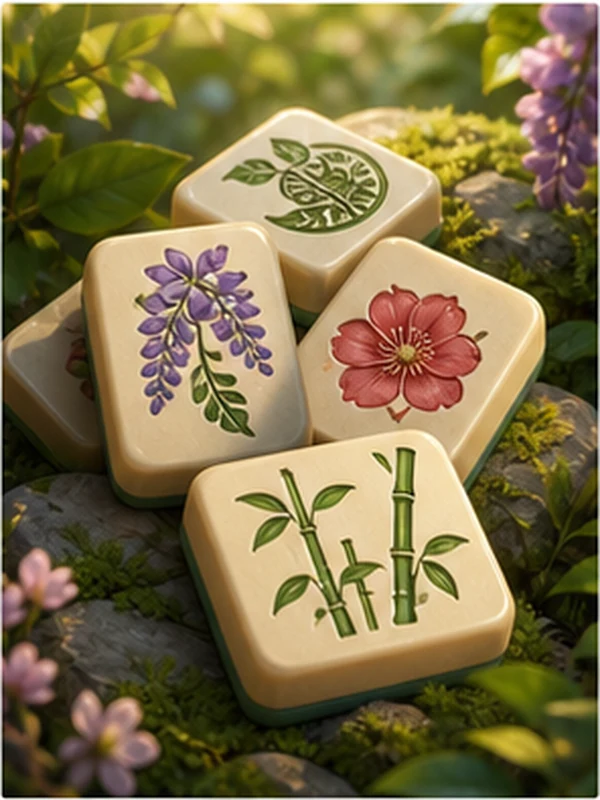
Some games allow any flower to match another flower, or any season to match another season. Those flexible groups are useful escape routes. Unless they unlock an important layer, keep at least one flexible match available for the middle of the board.
Garden Mahjong makes open sides especially clear, so it is a good place to practice this habit without rushing.